
Changing the future of cystinosis
When Lena was seven months old she was diagnosed with cystinosis. Cystinosis is a rare inherited metabolic disease, which results in the accumulation of cystine, a naturally occurring amino acid, in organs and tissues in the body. This cause damages to the kidneys, eyes, muscles, pancreas and brain. Lena’s dad Roy tells us their story.
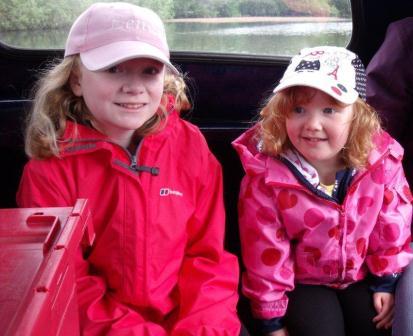
“Lena is a charming girl who gets on with everyone she meets. She loves going to Highland and disco dancing every Friday and is an avid member of the Royal Society for the Protection of Birds. Lena has a little sister Ruby who is four and they get on – most of the time!
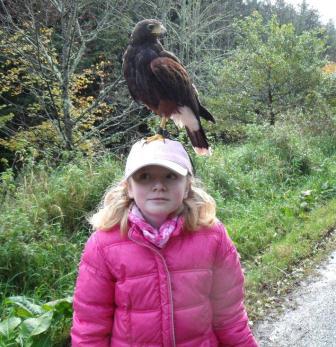
When Lena was about six months old she started getting sick at night and experienced bad constipation. We ended up going back and forth to our health visitor and local GP and were told that her symptoms were because of the way we were feeding her. Lena’s symptoms came and went and, as new parents, we struggled on. As my wife Vicky was going back to work and we were moving house, it was a very hectic and stressful period for us. During this time Lena’s vomiting continued to get worse and we managed to talk our GP into sending us to Aberdeen Children’s Hospital for some checks.
Lena was initially diagnosed with Fanconi Syndrome a condition where the kidneys are defective, which is a symptom of cystinosis. However when her blood tests came back from analysis, it was confirmed that Lena had cystinosis. At seven months old we were told she was fortunate to be diagnosed early on in her life as before the age of one there is a better chance of maintaining kidney functions.
When we looked cystinosis up on the internet we came across all kinds of information that made us quite fearful. You never expect your child to be diagnosed with a serious medical condition and the bottom just fell out of our world. For a while it was a lot to get our heads around. Cystinosis is a particularly cruel and challenging condition because it affects every single cell in the body. It can be managed with an extensive medication routine but these treatments haven’t really been improved since the 70s and tend to taste and smell quite badly. Due to the kidney problems that are also part of cystinosis, high doses of mineral replacements are required, which are very unpleasant to take and cause side affects.”
The early years
“The first few years after Lena’s diagnosis were quite hard when we look back at them now. It was an endless cycle of medication, vomiting and more medication, along with frequent hospital visits. Vicky decided to give up work so she could stay at home to be a carer for Lena. This has meant we have been on quite a difficult journey but along the way we have met some amazing people who we wouldn’t have met had we been on a different path.
Throughout this, Lena manages to cope very well with having cystinosis and although she knows she has the condition, she doesn’t allow herself to dwell on it. She isn’t as strong or physically capable as her peers who know she has something that makes her different. This has meant making friends has been difficult for her.”
Changing the future of cystinosis
“We believe the main issue that needs to be addressed for cystinosis sufferers is for them to have better medication. The main drug used to treat cystinosis is pretty much unchanged since it was created a long time ago. It works well to a degree but the stomach gets rid of most of it because it doesn’t recognise it as something it needs. This means the doses need to be quite high and therefore the side effects are multiplied.
We had a general awareness of Sparks but hadn’t really looked at what they did until we were involved with the research of Dr Graeme Kay at Robert Gordon University in Aberdeen. Dr Kay’s project looks at developing an eye gel for cystinosis sufferers so we were keen to get involved with it. This gel may only have to be used once a day instead of hourly which will make a great difference to the lives of people, like Lena, with this rare condition and their families.
It’s very important for us to have charities such as Sparks that are dedicated to fundraising in order to fund research. It could change the life of Lena and others with cystinosis.”
Roy Forsyth is the current chairperson for Cystinosis Foundation UK – www.cystinosis.org.uk.

