
-
Imperial College of Science, Technology and Medicine
-
Premature birth
-
£154,245
Premature birth is the major cause of death in new born babies and can lead to life long disability. Leading a team at Imperial College London, Professor Phil Bennett wants to pioneer a technique to predict the likelihood of premature labour through simple blood and urine tests.
Current situation
 Babies born in early preterm labour – before 32 weeks – have a dramatically higher chance of developing learning disabilities, visual or hearing impairments or cerebral palsy. These are life time conditions affecting thousands of children in the UK. The earlier labour occurs, the higher the risk of the baby being affected.
There are some treatments such as progesterone and cervical stitch which can reduce the risk of preterm birth in some cases. However, it is difficult to predict which women will deliver before their due date. In many hospitals
women who are thought to be at risk of preterm birth are looked after in special prematurity prevention clinics. But the techniques currently used to monitor such pregnancies can be time consuming and expensive. At present, there are no methods to effectively determine the risk of early labour for a woman in the early stages of her first pregnancy.
Finding a way to accurately predict premature birth could help prevent some of the 50,000 babies currently born prematurely each year in the UK.
How this project will help
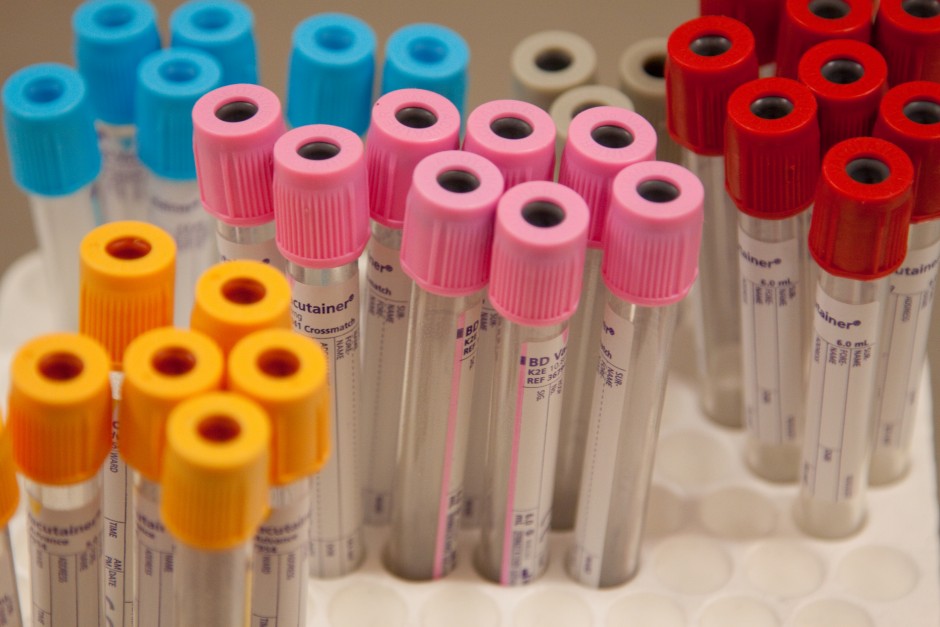
A quick and easy test to establish the likelihood of premature labour could make a big difference. Professor Bennett’s team will research the metabolic changes in blood and urine that can be detected as early as 13 weeks in pregnancy. If the project is successful, it could help to accurately identify women from the general population who are more likely to give birth preterm. This test could potentially be used by doctors and midwives across the country to find mothers at high risk who may not show up in the current tests. These women could be offered preventative treatment to reduce the occurrence of premature birth.
The team aim to develop a simple test that could be widely used in as little as six years. The resulting targeted treatment could benefit women and their babies for the rest of their lives.
You can make a difference
Globally, premature birth and its consequences are a leading result of death in the first five years of life. Get involved today and help us make a difference to the lives of babies and children.