
Sebastian, 3, London
Premature birth
Holly tells us about the very premature birth of her first son, Sebastian.
The birth
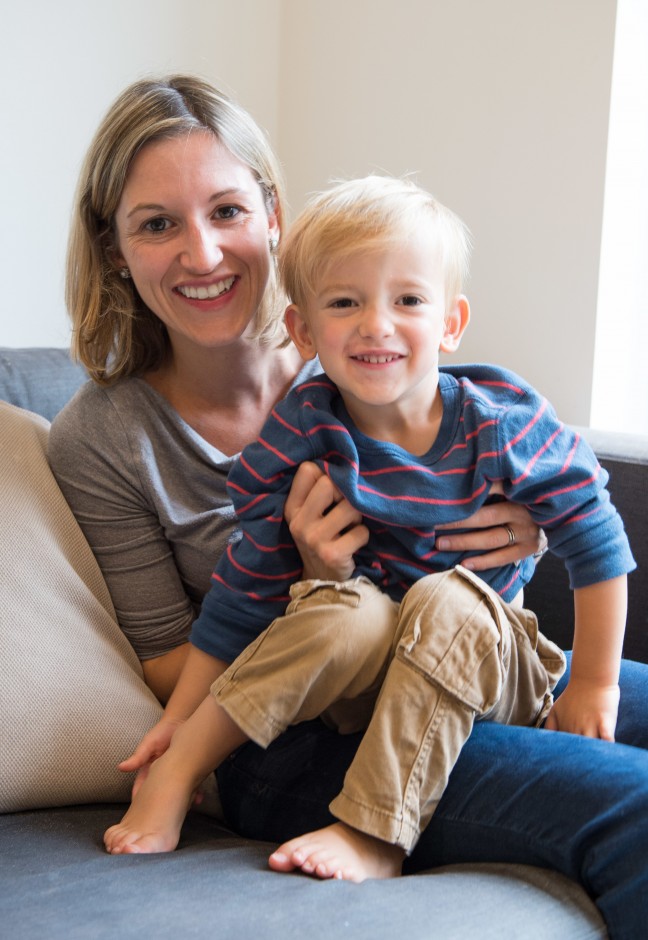 “My pregnancy had been normal and I was so busy with my upcoming medical exams that I almost hadn’t thought about it. It wasn’t long after my 20 week scan and I was on a night shift at work when I woke up from a nap, realising something was really wrong. I’m an obstetric registrar so I was aware of the potential risks to the baby if I went into labour.
I went to St Mary’s Hospital where I was given some medication to slow down the process of the birth and steroids to help mature the baby’s lungs and protect his brain. After two days in hospital, Sebs arrived. I was just over 26 weeks into my pregnancy, I wasn’t even wearing pregnancy clothes as it was still so early, and it really came as a shock. I was just getting used to being pregnant and then suddenly I became a mum.
All premature births are awful but because of my job, I knew that having a baby at 26 weeks was really bad news, I knew the statistics. I found it really hard.
The following months and coming home
Sebs had to be transferred to Queen Charlotte’s Hospital who was better equipped to look after him. He was there for a couple of weeks then transferred back to St Mary’s. We couldn’t hold him until he was about four days old. It was really hard looking at him through the glass in the neo-natal intensive care ward.
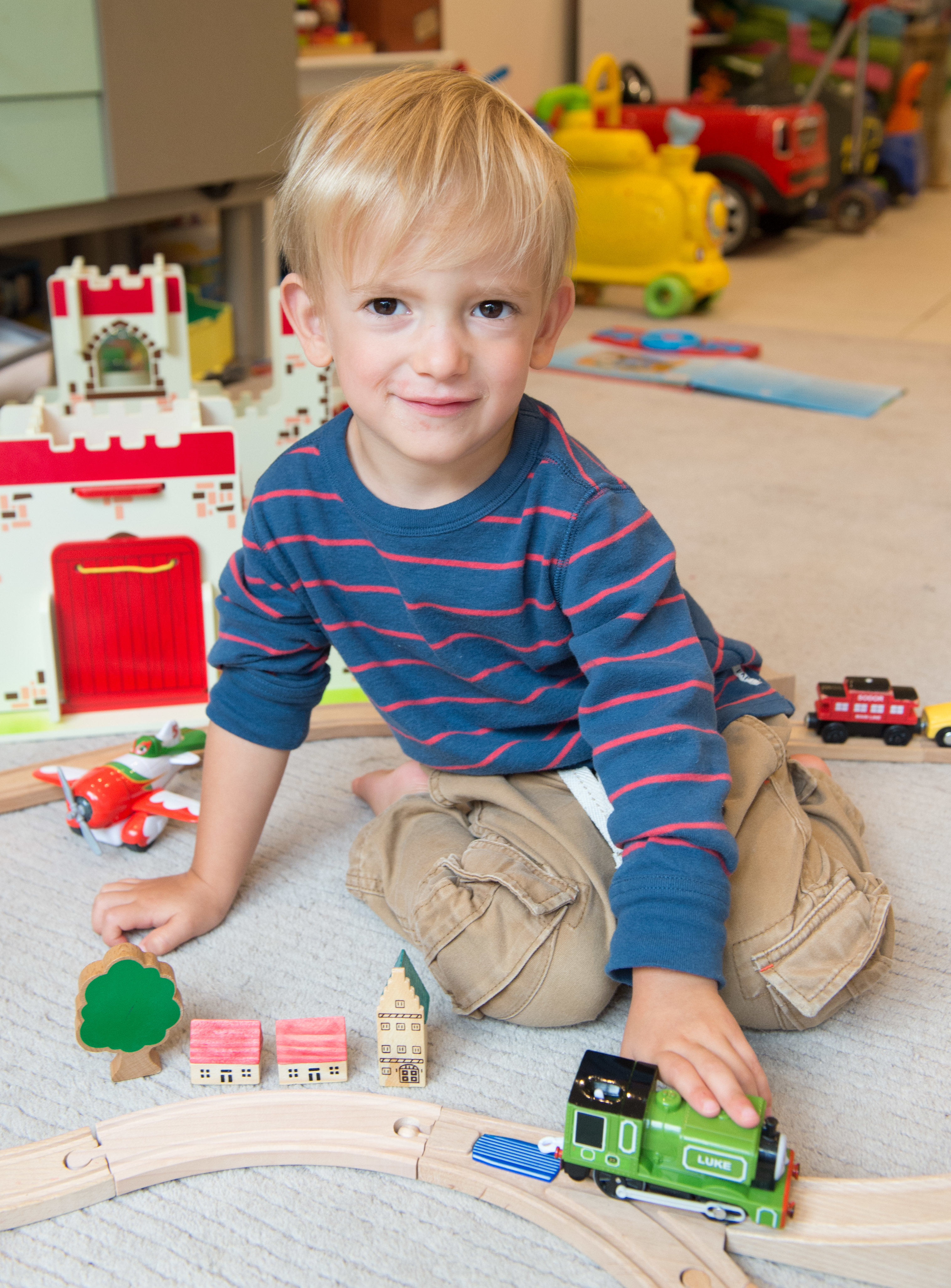 Every Friday, Sebs had to have a brain scan to make sure he hadn’t suffered a haemorrhage which could cause brain damage. He also had to have his eyes checked every two weeks to make sure he didn’t have vision problems. We just had to take every day as it came as we never knew what was going to happen.
He eventually came off oxygen at 36 weeks and finally came home at 37 weeks; 81 days after he was born. We thought he had cerebral palsy as he was only using one arm but after six months, he was fine.
It’s the hardest thing I’ve ever had to do, ever. You feel this almighty guilt about it all because you’re just looking at your baby and thinking ‘he shouldn’t be there, he should be growing in my tummy’, but instead he’s just suffering so much. It’s hard coming home too, when you suddenly have to look after them yourself after so much help in hospital. You just think that they’re going to stop breathing on you. It takes a long time to sink back into things.
People are quite surprised now when I tell them he was born so early. He’s a little small for his age, which in the grand scheme of things is really, really lucky. Now, he’s cheeky, funny and really cute with his little brother. He loves cars, trains and Thomas the Tank Engine. He’s just a normal, confident three year old, really!”
How Sparks is helping
There are some treatments that can reduce the risk of preterm birth in some cases. However, it is difficult to predict which women will deliver before their due date, and treatment in special prematurity prevention clinics can be both time consuming and expensive.
Sparks is funding a project lead by Professor Bennett at Imperial College of Science, Technology and Medicine to research metabolic changes in the blood and urine of pregnant women that can be detected as early as 13 weeks to help indicate a preterm birth. Finding a way to accurately predict premature birth could help prevent some of the 50,000 babies currently born prematurely each year in the UK.
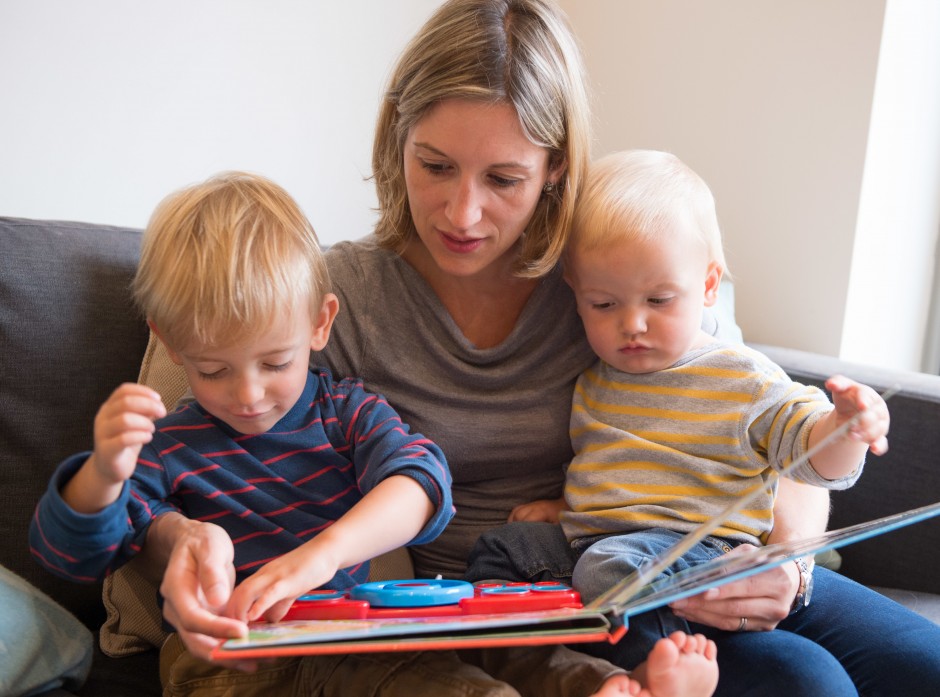 Holly says “As an obstetrics registrar, I worked with Professor Bennett and he very kindly helped me with Alex, my second child, and we very thankfully got to term. Due to my history I was looked after by his prematurity clinic for monitoring, I don’t think we would have got to term without this, so I am incredibly grateful for Professor Bennett and his team. I work on labour ward but I really wanted to be involved with something that can make a difference, so I asked Professor Bennett if I could work on some research with him and now I’m working towards a PhD as part of his team. It’s a huge privilege to be involved with people who dedicate their lives to finding out preventions and causes to pre-term birth. Having gone through it on the other side and realising how devastating it is, to now be able to be involved in finding a prevention is amazing.”
Find out more about Sparks research projects into Premature Birth